(208) 459-4138
 Request Samples
Westgate Modern: Where High Desert Luxury Design Meets Advanced Fire Protection
Posted on: June 16, 2025

A 2024 COBA Tour of Homes “Best of Show”
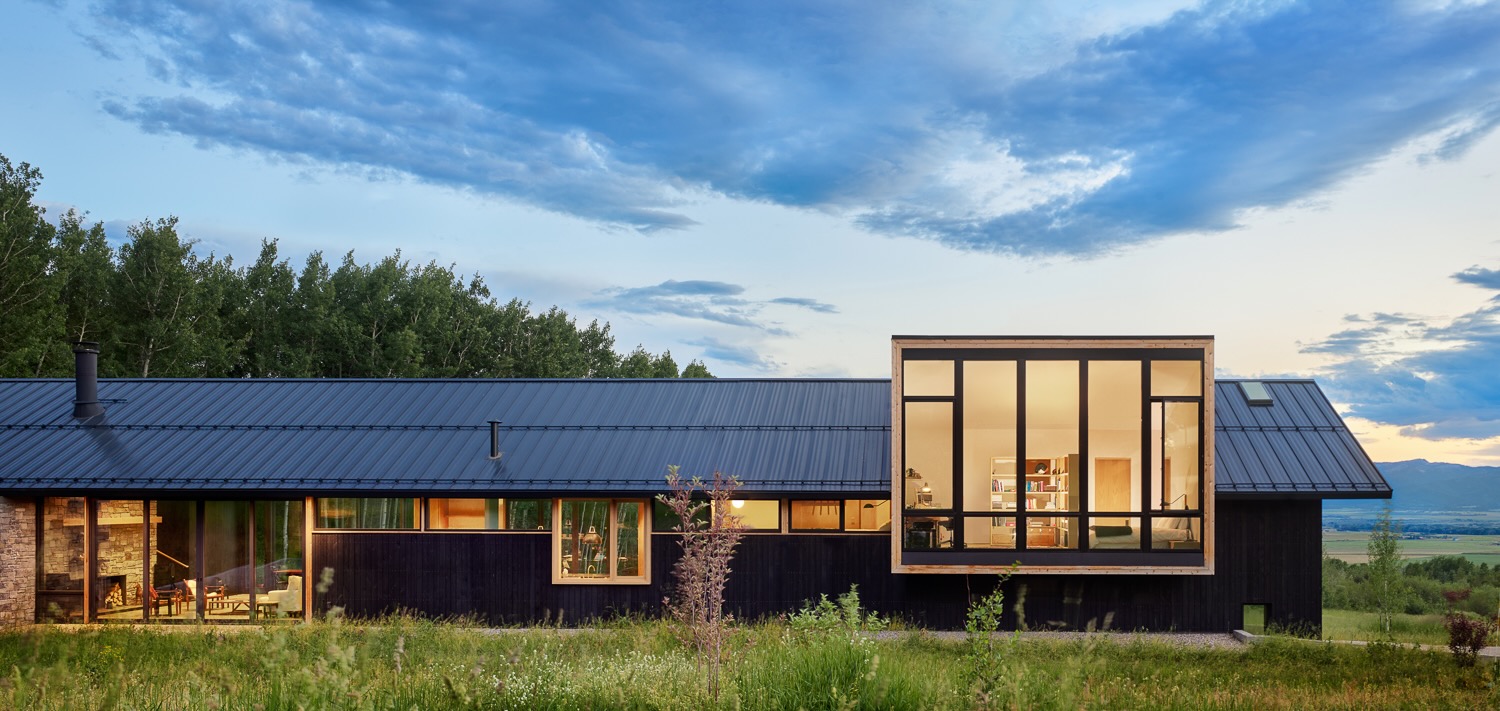
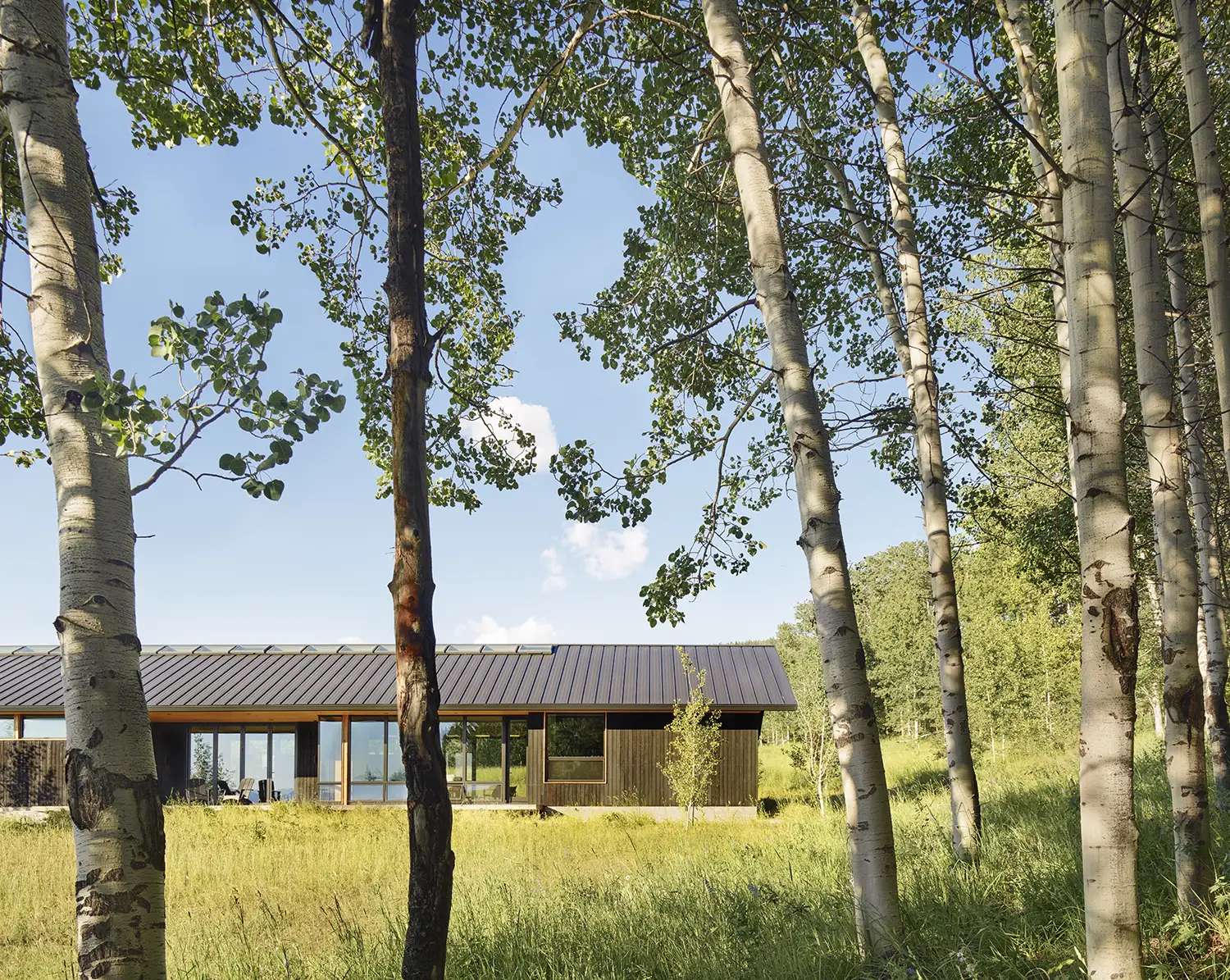
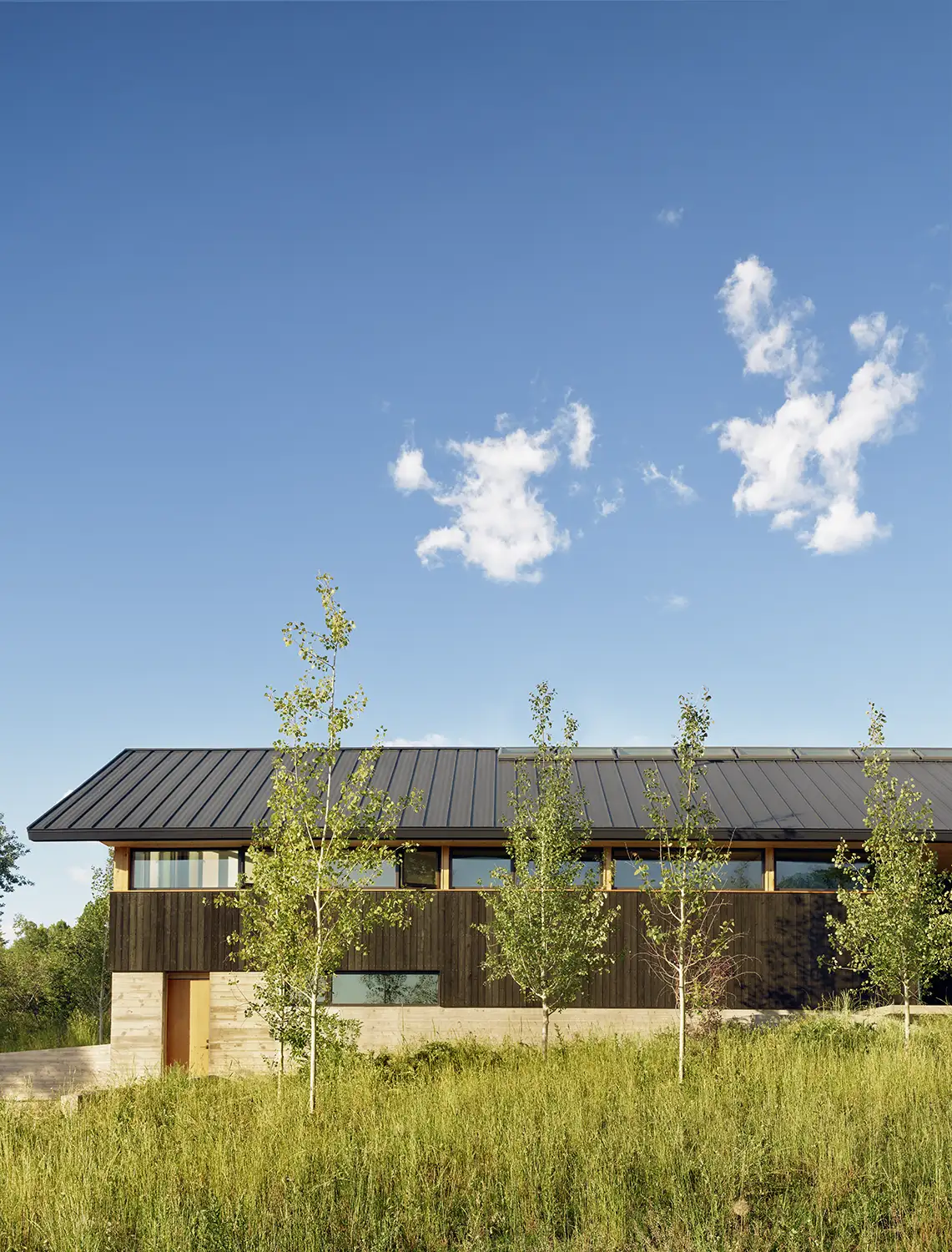
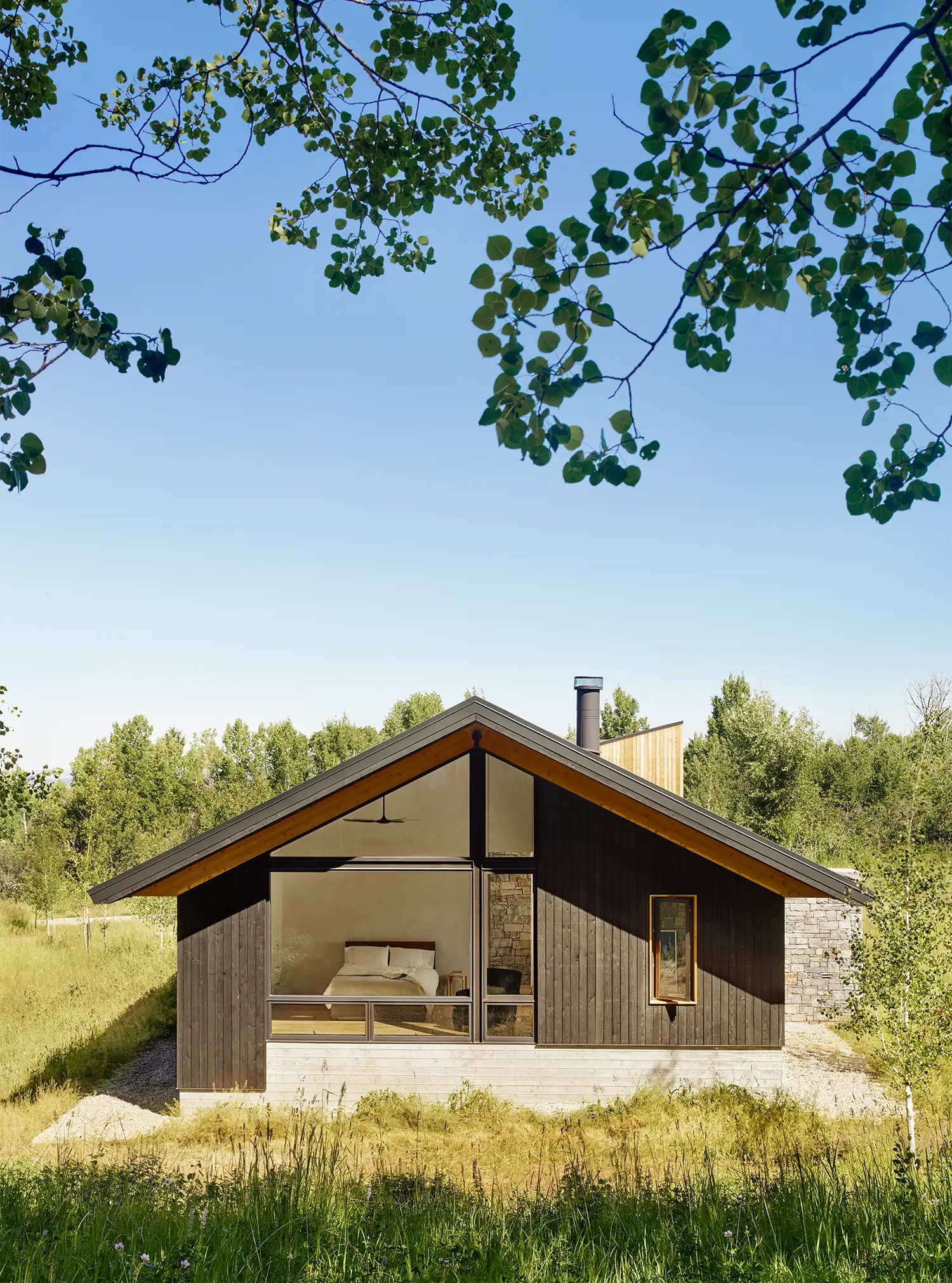
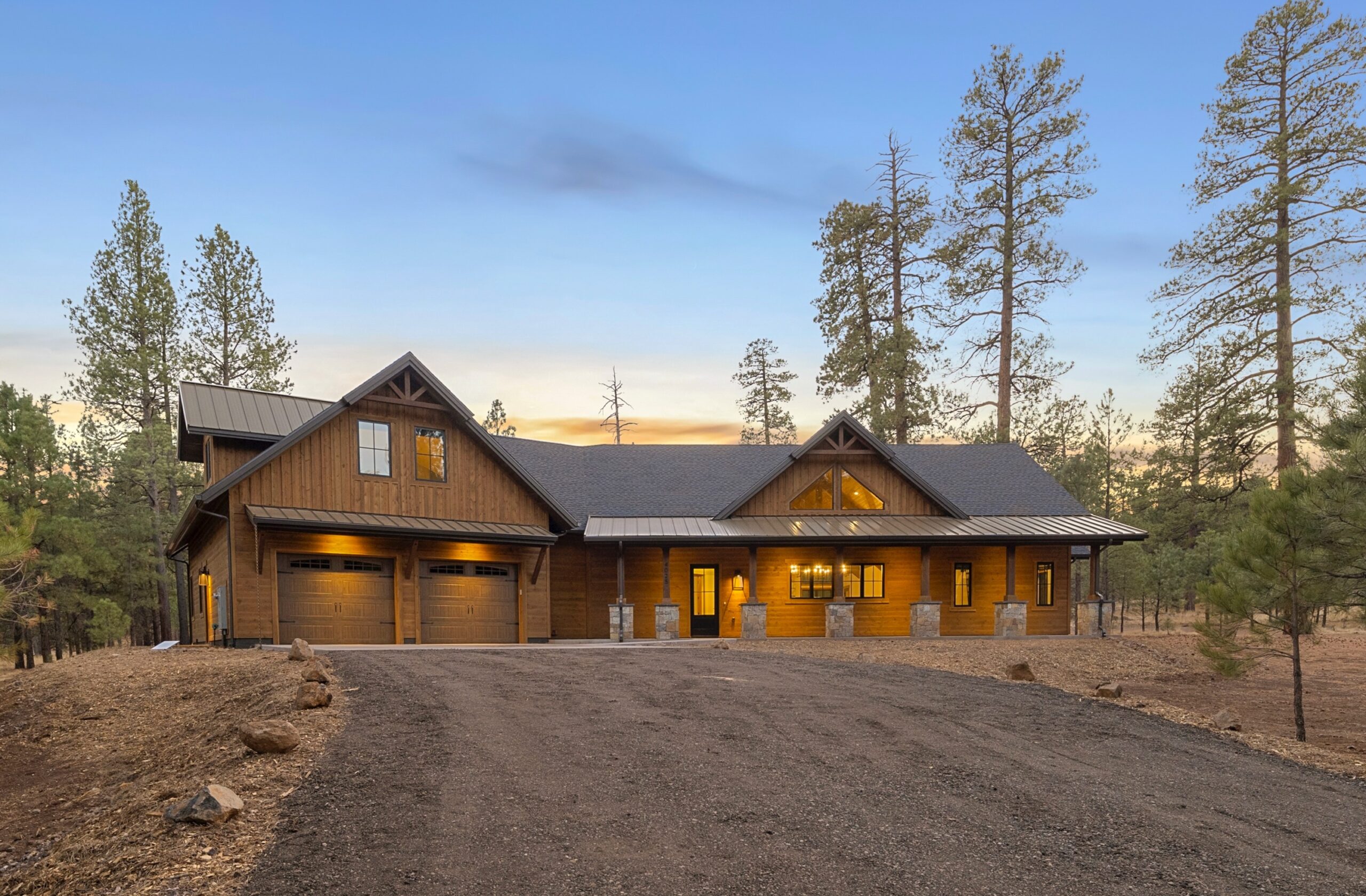
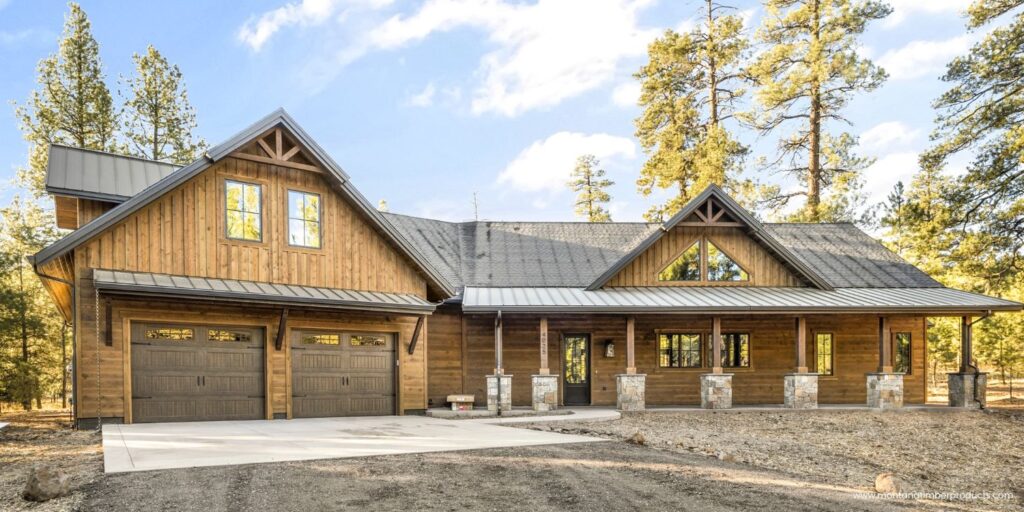
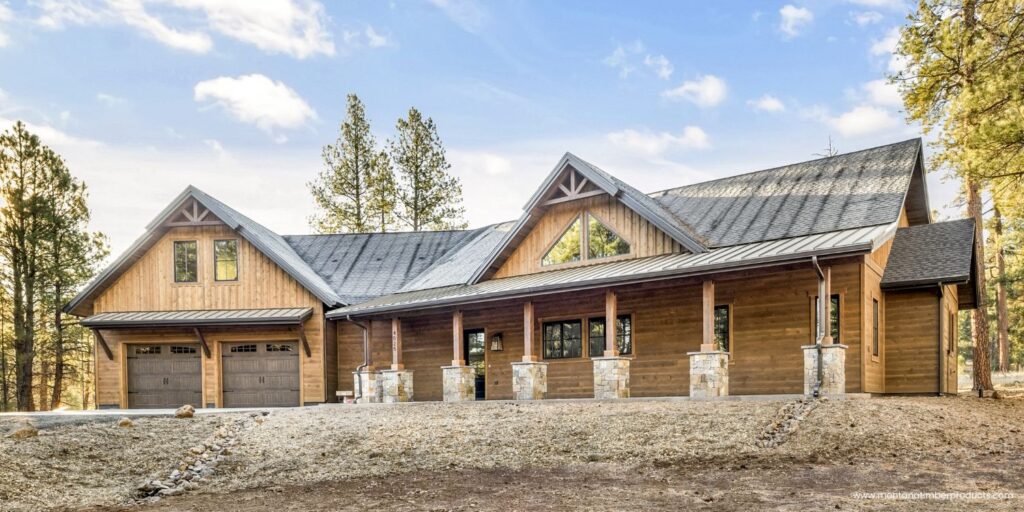
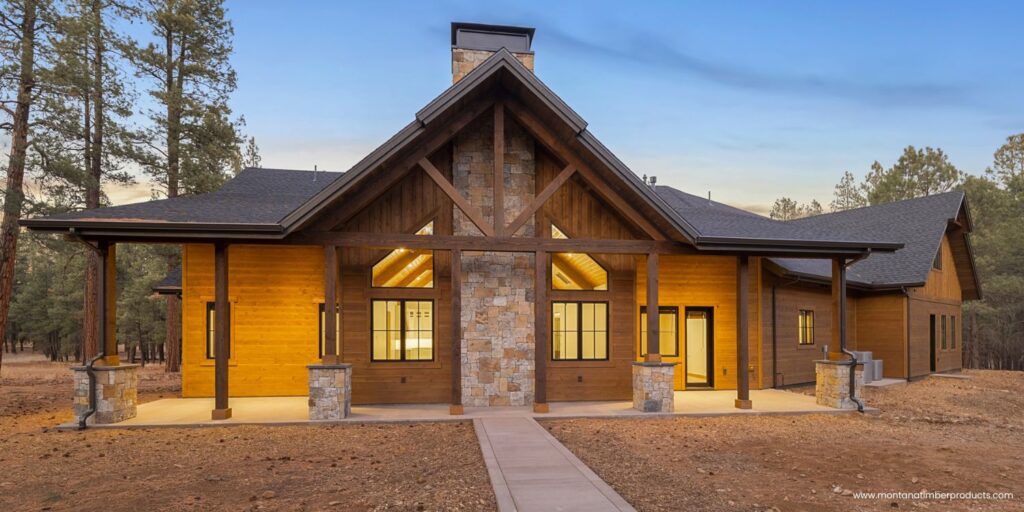
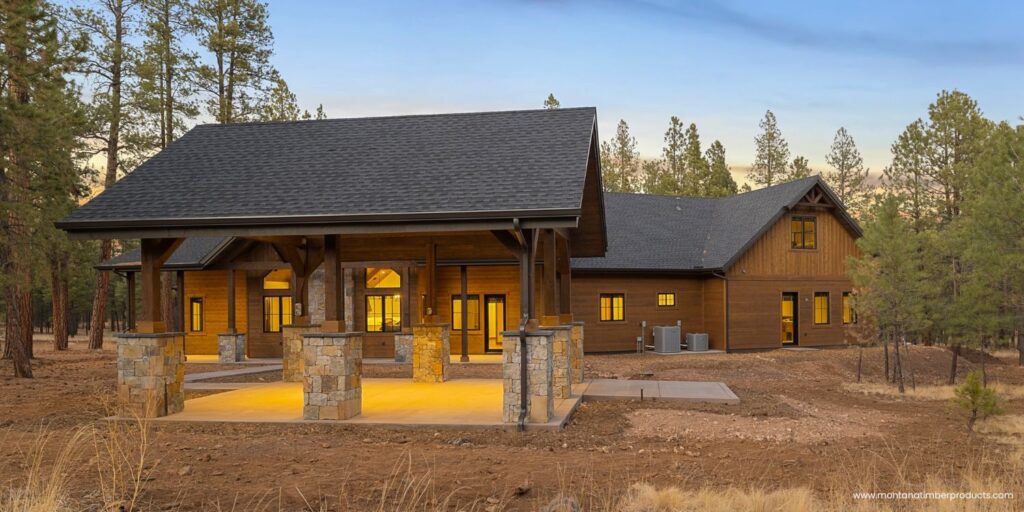
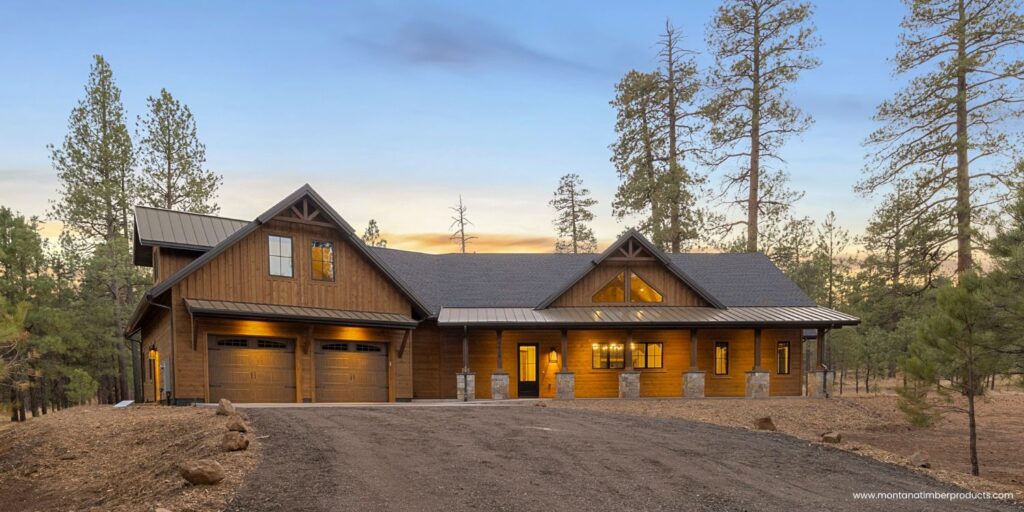
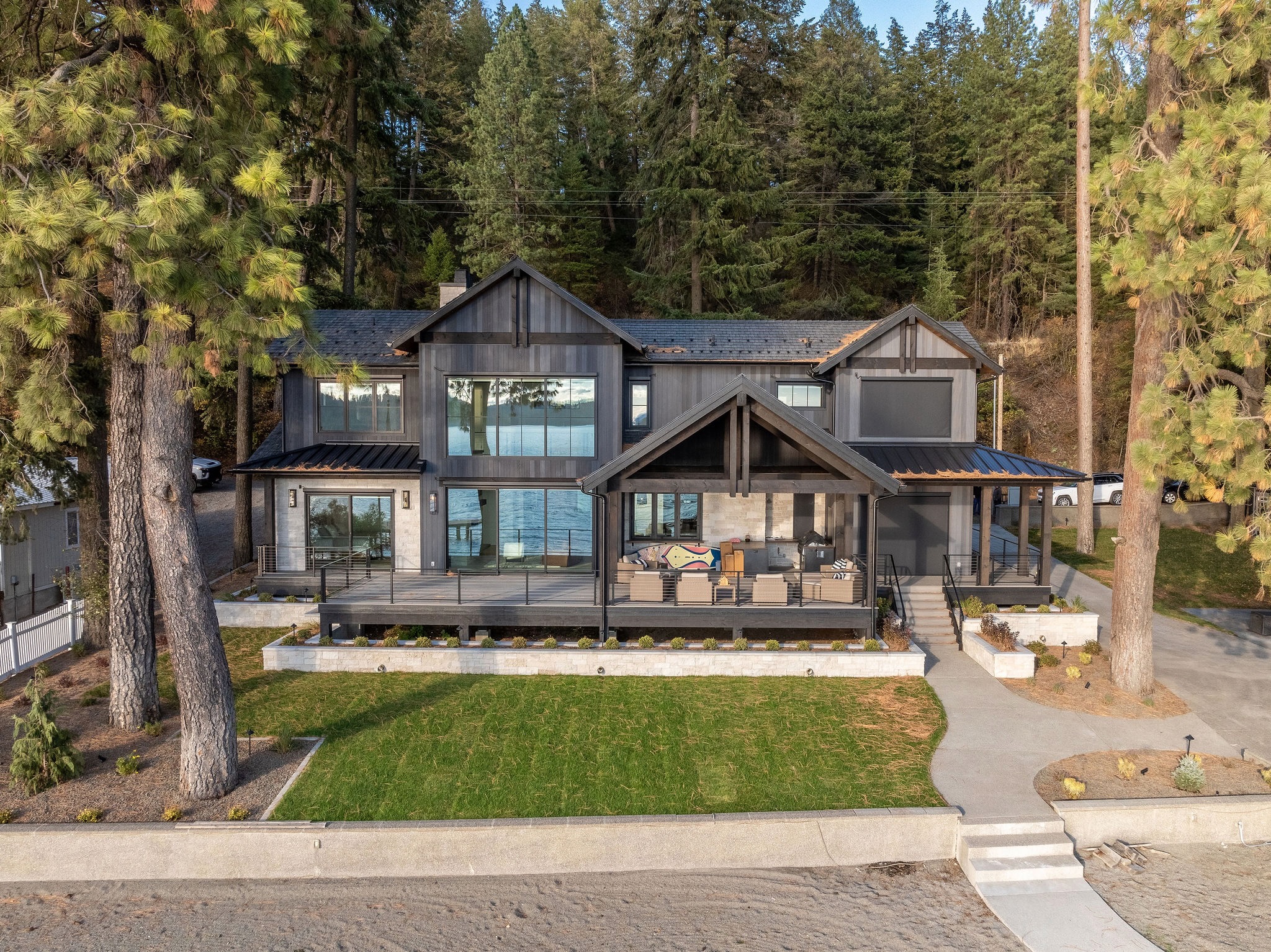
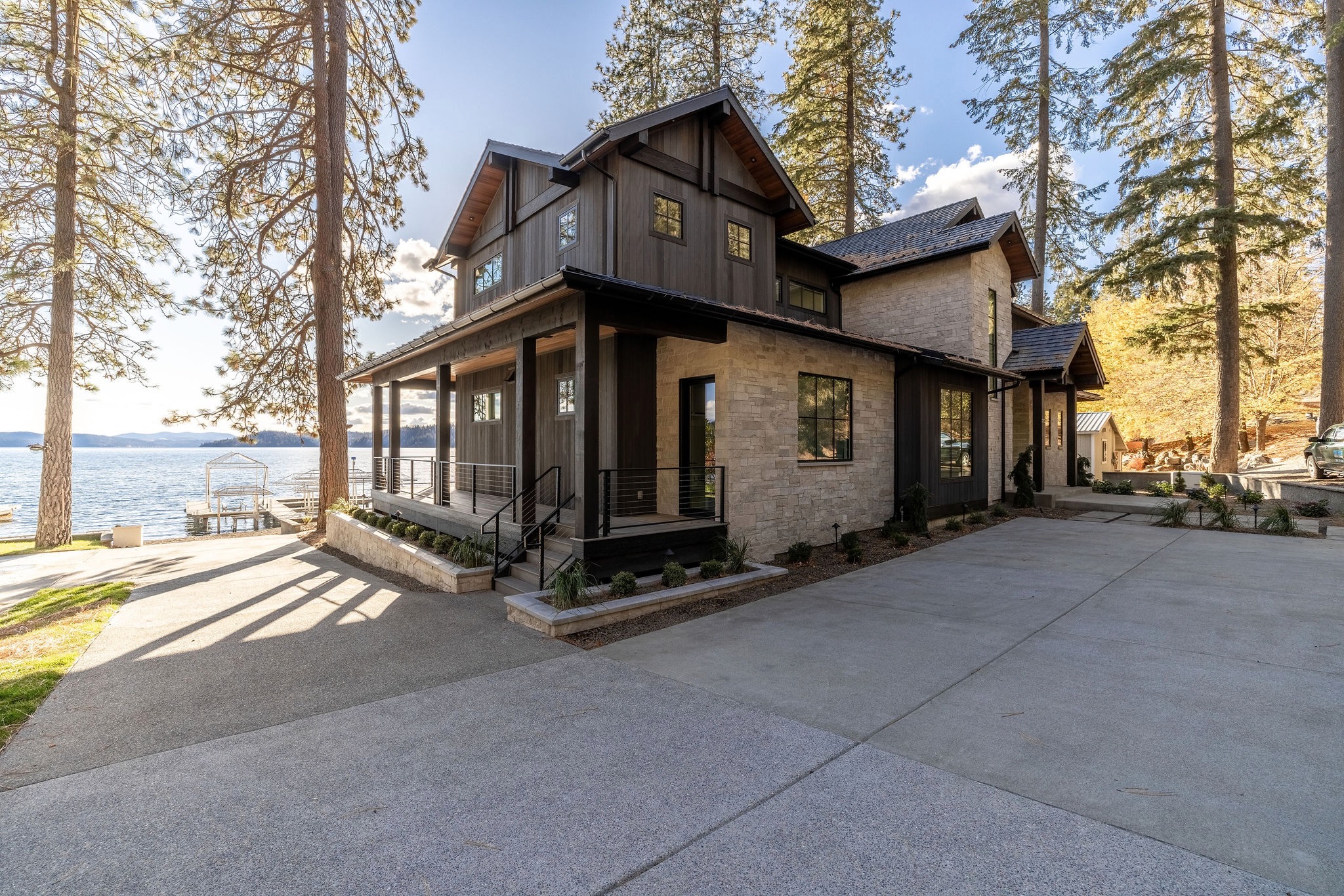
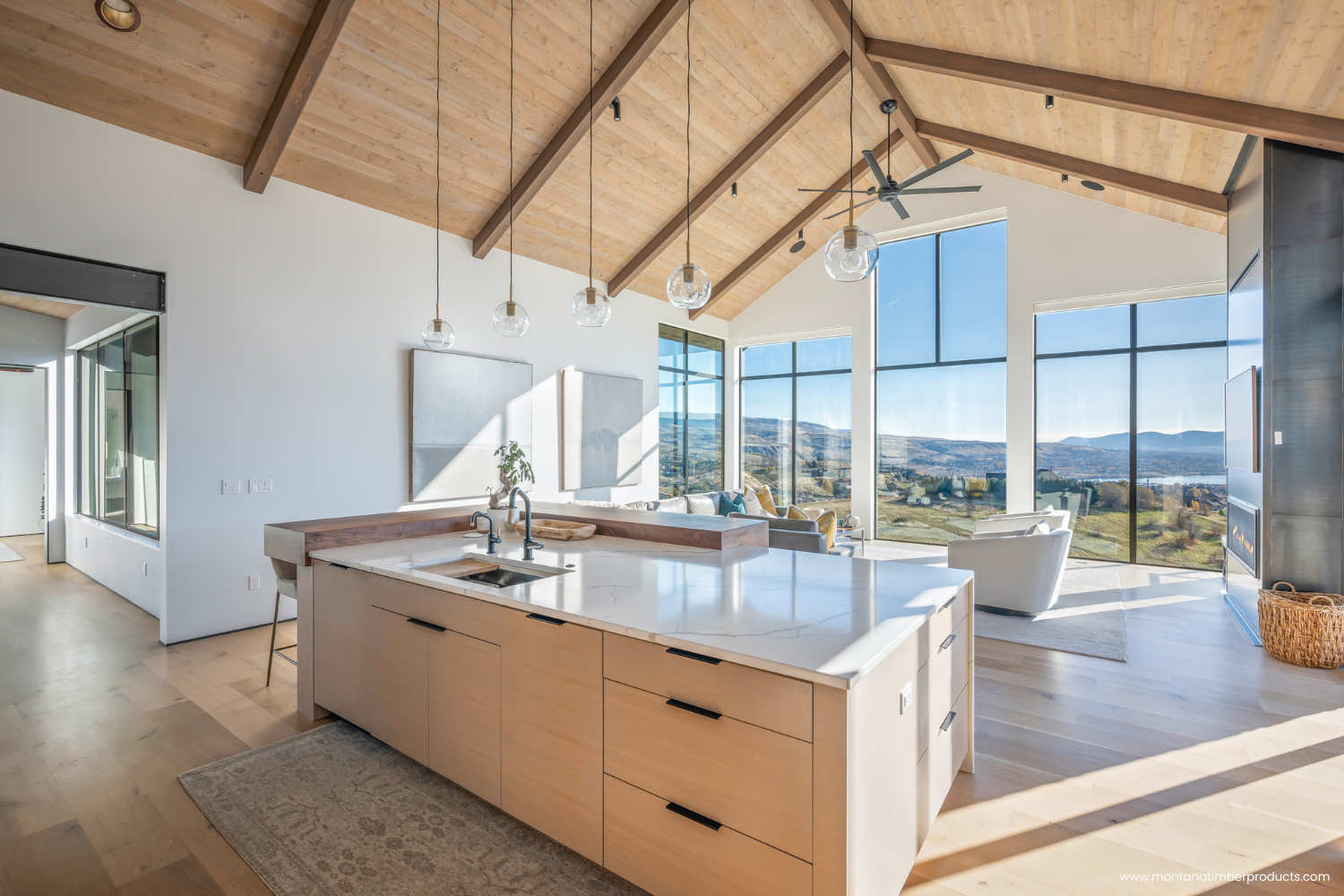
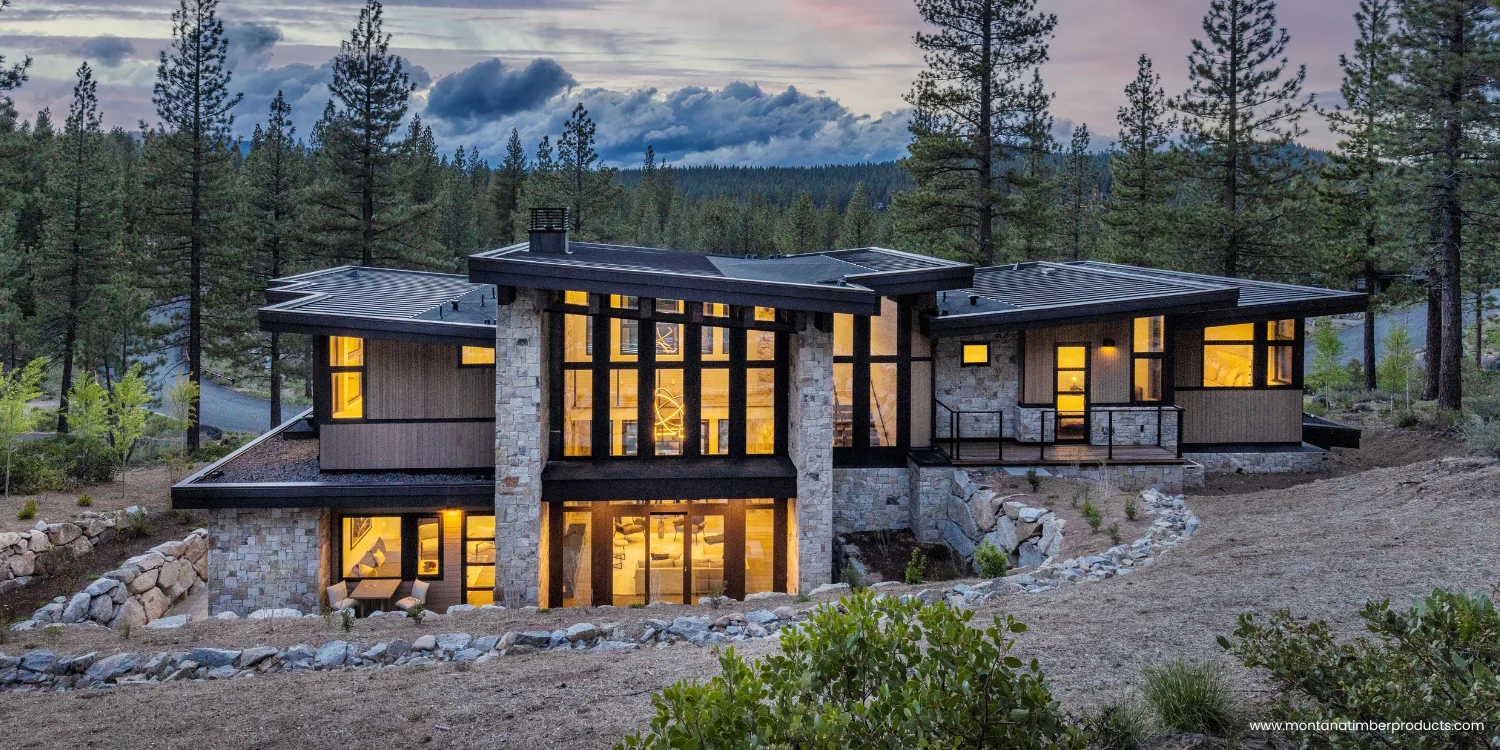
The Westgate Modern residence in Bend, Oregon, by Deschutes Custom Homes, is a testament to exceptional design, thoughtful material selection, and cutting-edge fire safety. As a 2024 COBA Tour of Homes “Best of Show” winner, this custom luxury home showcases how prefinished natural wood, paired with advanced fire protection, creates a residence that is both stunning and resilient in the high desert environment. The ranchwood™ Yellowstone finish is used seamlessly across the interior and exterior of the home, a color selected to blend with the surrounding sagebrush, creating a harmonious and integrated aesthetic.
PROJECT DETAILS
Location
Bend, Oregon
Project Type
Custom Luxury Residence
Builder
Deschutes Custom Homes
Architect
CKA Architects
Applications + Products:
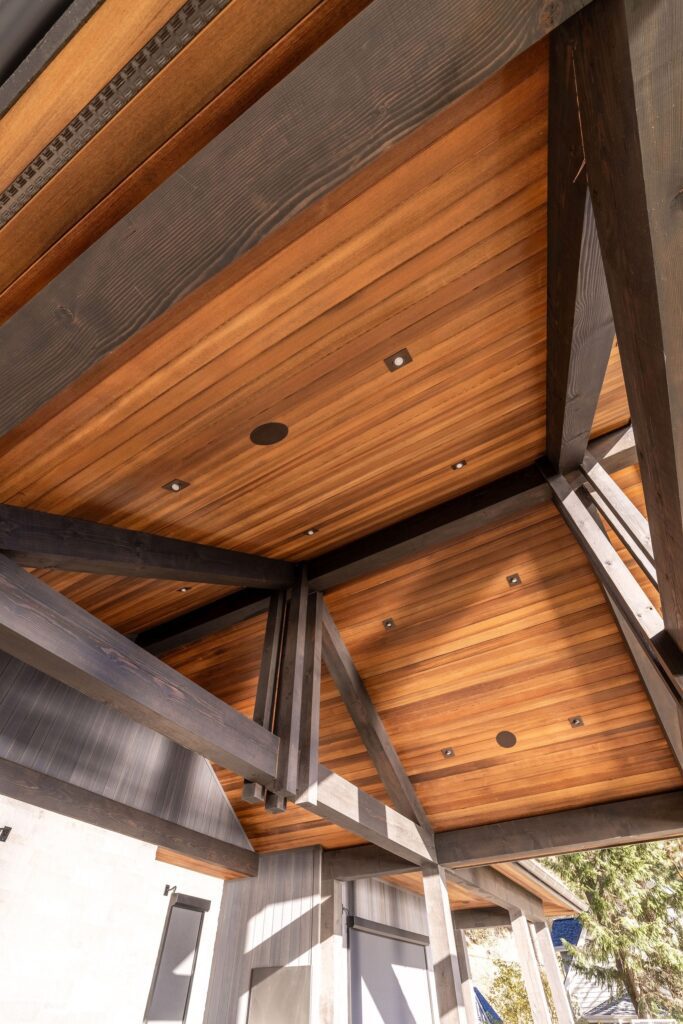
Vertical Siding: 1×8 Western Red Cedar (STK) | Wire Brushed | Shiplap with 1/4″ Reveal | ranchwood™ Yellowstone | FX LumberGuard XT
Exterior Soffit: 1×4 Douglas Fir #2 Btr | Smooth | Tongue & Groove | ranchwood™ Yellowstone | FX LumberGuard XT
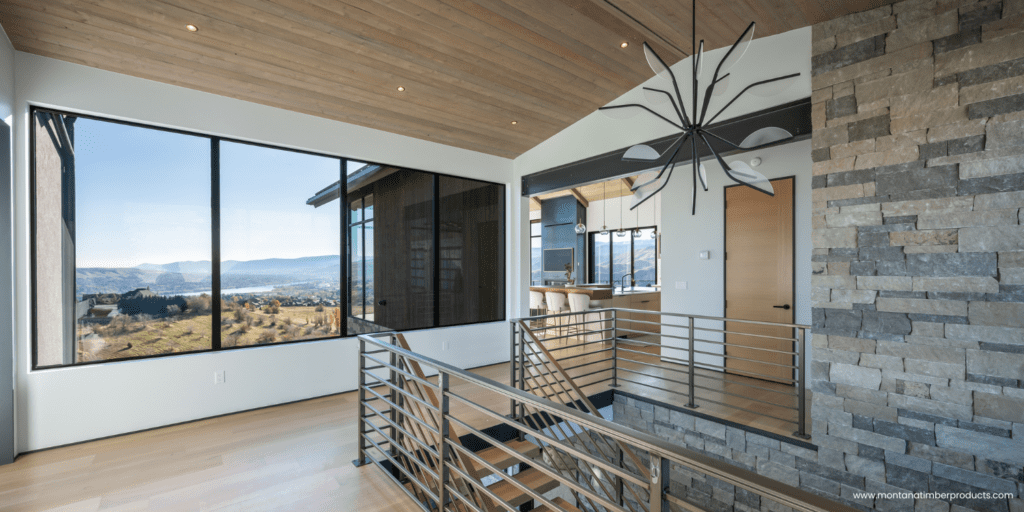
Interior Ceiling: 1×6 Douglas Fir #2 Btr | Smooth | Tongue & Groove | ranchwood™ Yellowstone
Rake Fascia: 2×10 Western Red Cedar (STK) | Wire Brushed | Square Edge | ranchwood™ Yellowstone | FX LumberGuard XT
Rake Fascia Trim: 1×6 Western Red Cedar (STK) | Wire Brushed | Square Edge | ranchwood™ Yellowstone | FX LumberGuard XT
Eave Fascia: 2×6 #1 Douglas Fir FOHC | Resawn | Square Edge | ranchwood™ Yellowstone | FX LumberGuard XT
Frieze Blocking: 2×6 #1 Douglas Fir FOHC | Resawn | ranchwood™ Yellowstone | FX LumberGuard XT
Rafter Tails: 6×10 #1 Douglas Fir FOHC | Resawn | ranchwood™ Yellowstone | FX LumberGuard XT
Balcony Rafters: 4×8 #1 Douglas Fir FOHC | Resawn | ranchwood™ Yellowstone | FX LumberGuard XT
Porch Beams: 6×10 #1 Douglas Fir FOHC | Resawn | ranchwood™ Yellowstone | FX LumberGuard XT
THE VISION
A Modern Retreat with Fire-Safe Craftsmanship
Deschutes Custom Homes embarked on a mission to create a contemporary mountain residence that seamlessly marries natural textures with clean, modern lines. A critical aspect of their vision was meeting stringent fire safety requirements without compromising on design. The objective was clear: craft a home that feels timeless and deeply connected to its surroundings, with wood elements that not only echo the high-desert landscape but also stand up to its unique environmental challenges.

THE SOLUTION
Cohesive Natural Wood Palette with Class A Fire Protection
Montana Timber Products supplied a full exterior and interior wood package, all factory-finished with ranchwood™ Yellowstone and treated with FX LumberGuard XT, a transparent, Class A topical fire retardant. This approach ensures each element-from the wire-brushed cedar siding to the resawn Douglas Fir beams-delivers both visual warmth and critical fire resistance. The result is a seamless, modern exterior and interior envelope, unified by color and texture, and engineered for lasting performance in wildfire-prone regions.
FX LumberGuard XT provides permanent, ASTM- and IBC-compliant fire protection with minimal impact to the natural look or workability of the wood, supporting both code compliance and design intent.
DESIGN CONSIDERATIONS
Balancing Modern Aesthetics and Wildfire Resilience
- Design Integration: The close collaboration between Deschutes Custom Homes, CKA Architects, and Montana Timber Products resulted in a home where every wood detail is intentional. From the elegant vertical shiplap siding to the exposed rafter tails, each element contributes to the overall aesthetic. The ranchwood™ Yellowstone finish was specifically chosen for its ability to highlight the wood’s inherent grain and texture, and its harmonious integration with the surrounding high desert landscape.
- Material Cohesion: Utilizing a single finish and fire treatment across all exterior and interior wood elements creates a visually unified look, contributing to the home’s contemporary appeal and simplifying installation, as well as, long-term maintenance.
- Fire Safety: FX LumberGuard XT is a non-toxic, non-corrosive, and environmentally safe fire retardant, meets rigorous Class A standards, offering peace of mind for homeowners in wildfire-prone areas.
Westgate Modern stands as a compelling testament to the power of combining natural wood beauty with advanced architectural envelope protection. It’s a home that is both visually stunning and impeccably prepared for the challenges of its environment, truly embodying the spirit of high desert luxury living.
Project Gallery


photographer: Kayla Mckenzie